
 Accedi
Defend Your Marine Engine's Lifespan with These Essential Anti-Corrosion Techniques!
Tracey
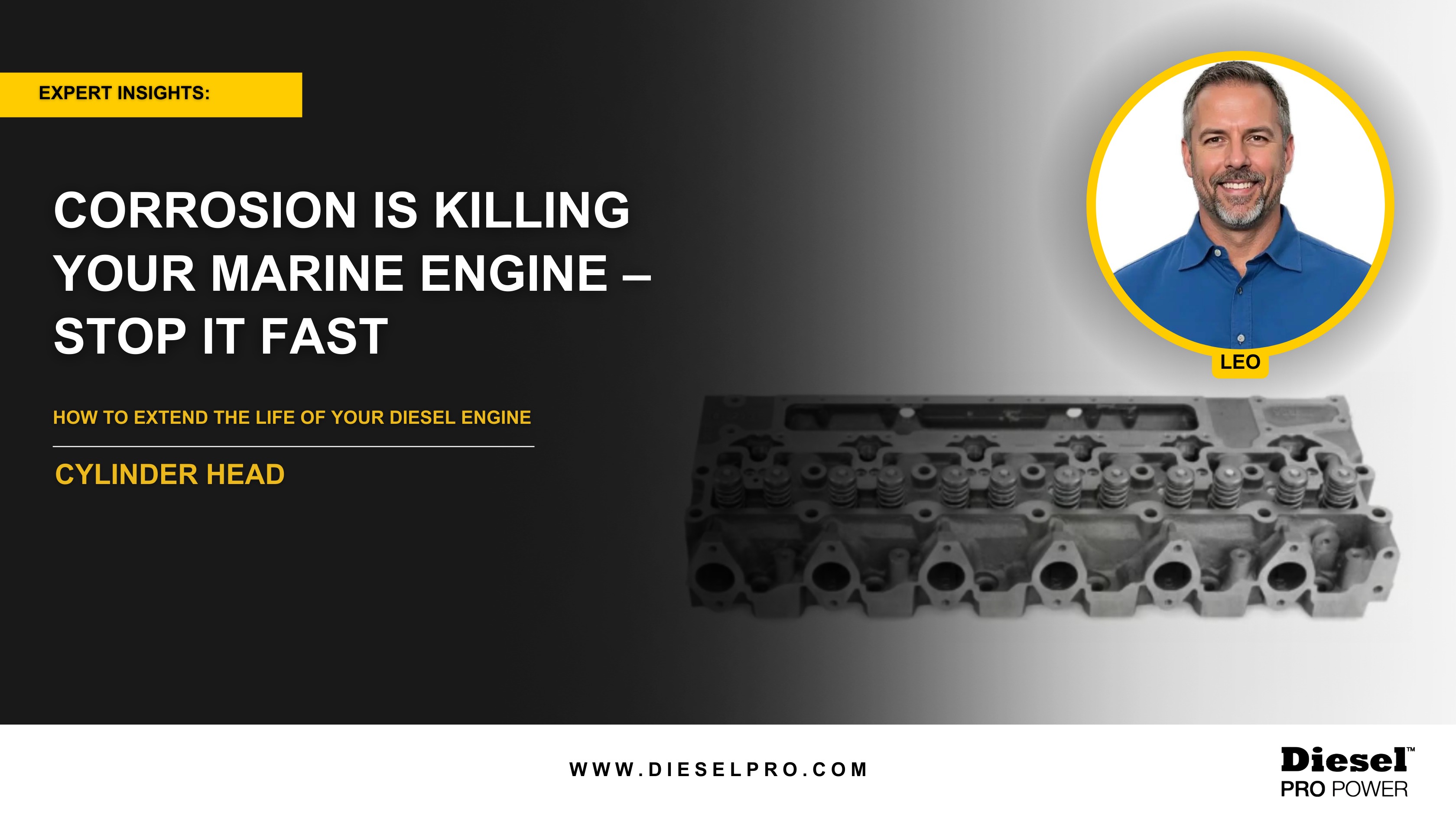

Corrosion Is Killing Your Marine Engine – Stop It Fast
Saltwater Corrosion: The Silent Saboteur
In marine settings, engines face a unique set of challenges, with saltwater corrosion being one of the most significant threats. Salt is notorious for its ability to corrode metal, and this includes the critical components found in marine engines. Over time, the salt can eat away at cylinder heads, compromising their structure and function. Marine-grade cylinder heads, treated to resist this type of corrosion, are a worthwhile investment for anyone looking to extend the life of their engine. Diesel Pro cylinder heads are specifically made for marine applications, ensuring durability and resistance against saltwater corrosion.
Humidity: The Constant Companion
Humidity is another factor that cannot be ignored. The constant presence of moisture in marine environments contributes to both rust and other corrosive processes inside the engine. Unlike corrosion caused by salt, humidity can affect even those parts of your engine that are not directly exposed to seawater. Applying anti-corrosive coatings and maintaining a stringent maintenance schedule are key strategies to mitigate this risk. For personal boat owners, keeping the engine compartment well-ventilated is a simple yet effective way to combat humidity-related damage.
Unique Stress Factors: Operating Beyond Limits
Marine engines often run under conditions that impose greater thermal stress and mechanical loads than their land-based counterparts. This is due to the higher operational loads and harsh conditions typical in marine settings. Such stress can accelerate wear and tear, increasing the likelihood of thermal expansion issues that lead to cylinder head warping or cracking. Regular monitoring for signs of pressure build-up or overheating can help prevent severe damage.
Protective Strategies for Boat Owners and Fleet Managers
For Individual Boat Owners
Understanding the specific demands of marine environments allows for the adoption of targeted strategies to protect your engine. Here are some tips: • Regular Inspections: Frequently inspect your engine’s cylinder heads for any signs of corrosion or wear. • Ventilation: Ensure your engine compartment is well-ventilated to reduce humidity buildup. • Routine Maintenance: Follow a strict schedule for maintenance, using quality anti-corrosive products and lubricants. • Paint Protection: Once installed, paint cylinder heads with Diesel Engine paint to further protect them from corrosion.
For B2B Clients: Shipyards and Fleet Managers
Managing a fleet requires a strategic approach to maintenance and repairs that considers both immediate and long-term needs: • Use of Marine-Grade Components: Ensure that all engines are fitted with components that are specifically designed to resist marine conditions. • Strategic Inspection Schedule: Implement a regular inspection routine that focuses on identifying early signs of corrosion and wear. • Corrosion-Resistant Materials: Incorporate materials that are inherently resistant to corrosion during installation to extend the lifespan of your engines. • Planned Downtime: Schedule regular downtimes that allow for thorough checks and potential replacements, reducing the risk of unexpected failures.
Understanding Corrosion: Beyond the Basics
Corrosion is a natural process that, if left unchecked, can have devastating effects on metal components. In marine environments, this process is accelerated due to: • Electrolytic Action: Saltwater is an electrolyte that can speed up the galvanic process, causing metals to corrode more quickly. • Temperature Variations: Frequent temperature changes can increase condensation levels, further contributing to corrosion risks.
The Economics of Preventive Maintenance
The financial aspects of maintaining marine engines cannot be overstated. Preventive maintenance has clear economic advantages over reactive approaches, mainly due to: • Reduced Repair Costs: Addressing potential issues early can prevent more extensive, costly repairs. • Increased Engine Longevity: Regular maintenance helps extend the life of your engine, providing better returns on your initial investment. • Avoidance of Operational Downtime: Predictive maintenance ensures your machine operates smoothly, minimizing costly downtime.
DIY Tips for Boat Enthusiasts
For those who enjoy hands-on maintenance, here are some DIY tips to keep your engine in top shape: • Maintain a Logbook: Record all maintenance activities, notes on engine condition, and any parts replaced. • Use Quality Tools: Investment in a set of quality maintenance tools will improve the efficiency and reliability of any work you do on your engine. • Stay Informed: Keep up with the latest in marine engine technologies and approaches through reputable resources like DieselPro.com.
Conclusion: A Proactive Approach to Engine Management
Whether you’re managing a fleet or enjoying your personal boat, understanding the effects of marine environments on cylinder heads is crucial. Regular maintenance, using the right materials, and implementing strategic inspections are key components to keeping your engine running smoothly. Thank you for engaging with the latest informational content from Diesel Pro. Our commitment is to provide essential resources and products to support marine, industrial, and construction applications. With 24-hour worldwide shipping and a dedication to quality, our goal is to keep your engines operational all year round. For more tips and resources, visit DieselPro.com and join us in ensuring your engines’ longevity. This comprehensive guide should serve as a foundational resource for anyone invested in marine engine maintenance. Feel free to share this with others who could benefit from this essential knowledge.
cooling system maintenancemarine grade cylinder headsanti corrosive coatingscorrosion resistant materialsventilationregular inspectionsmoisture controlsaltwater corrosionhumidity protectionthermal stress monitoringpressure build up checksoverheat preventionpaint protectionborescope inspectioncylinder head warpingcylinder head crackingengine compartment ventilationmarine engine maintenance schedule